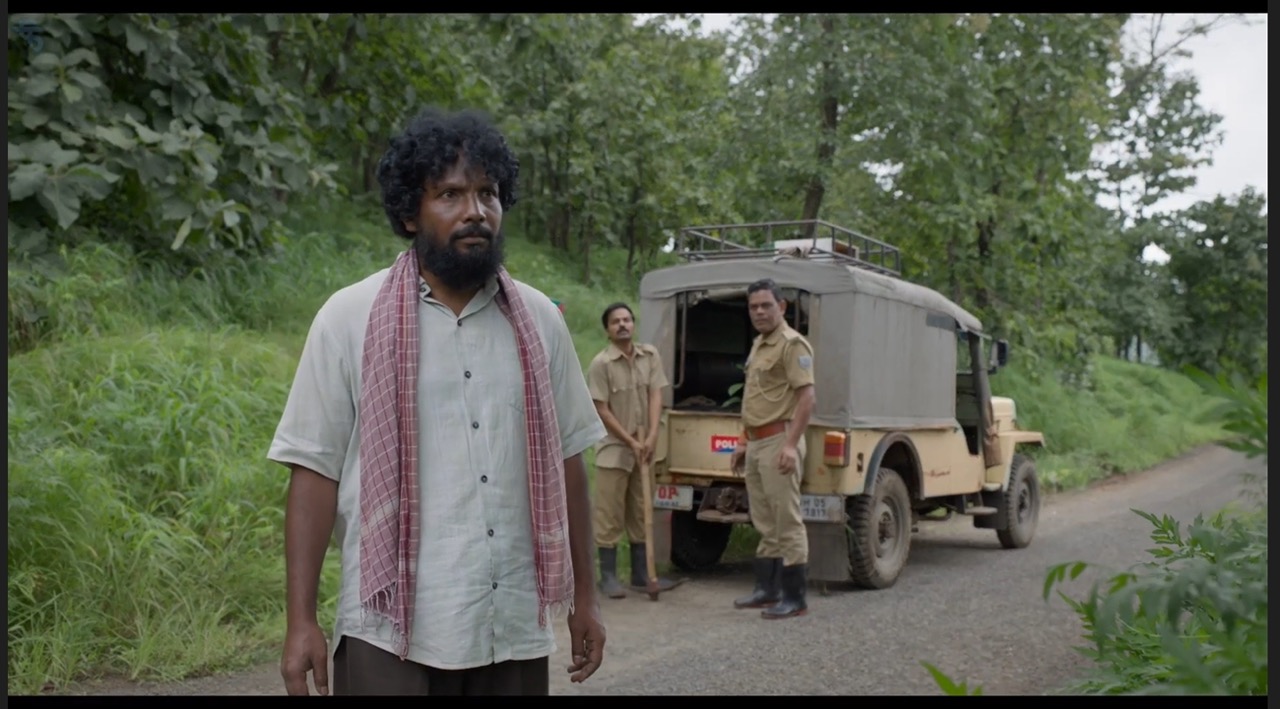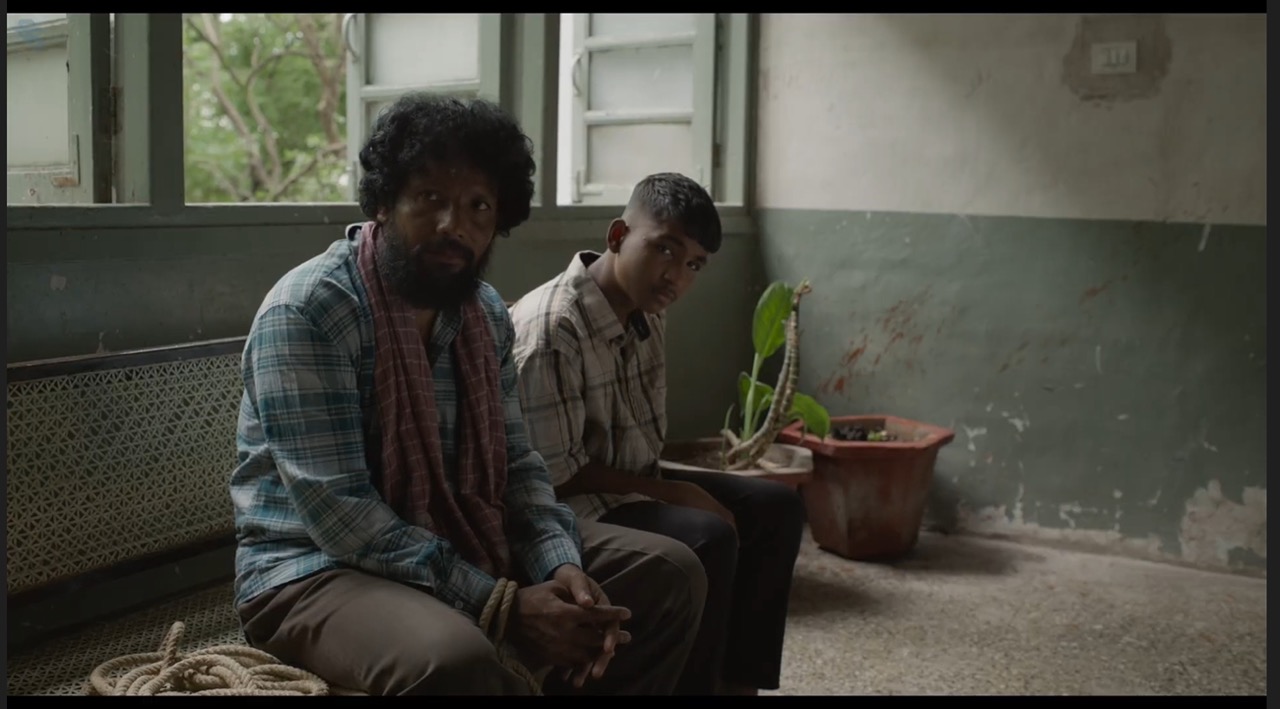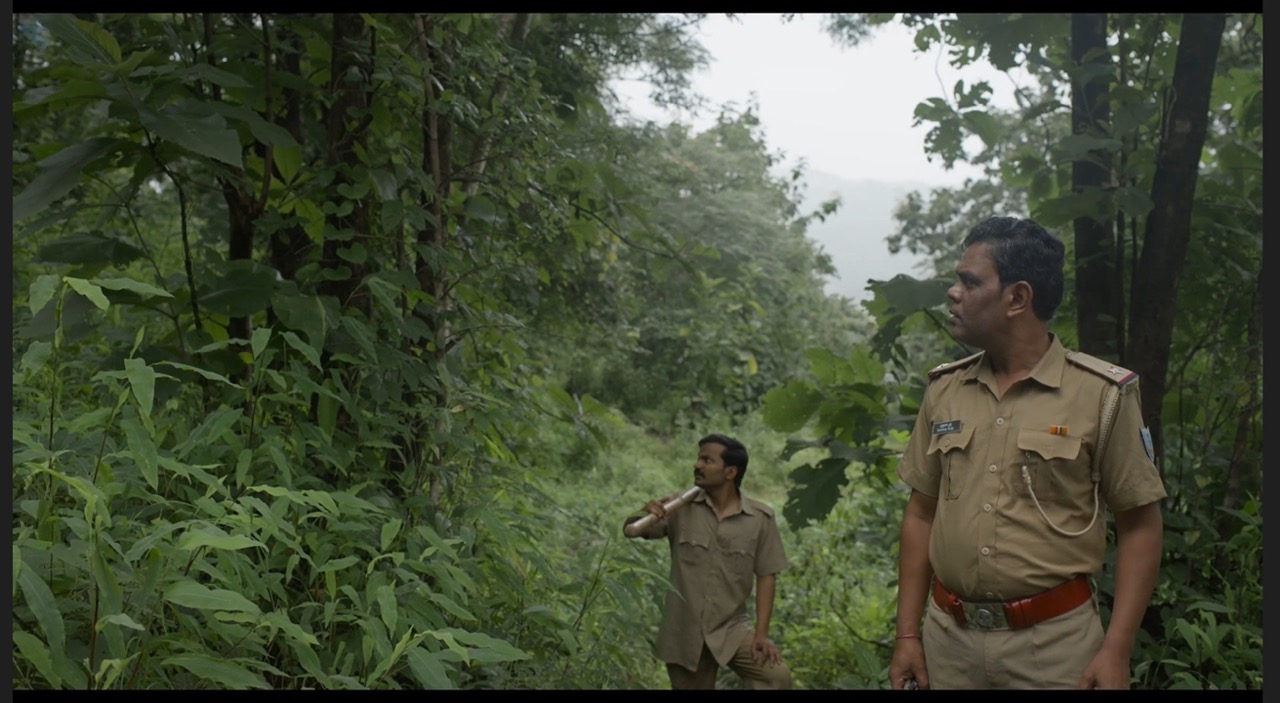


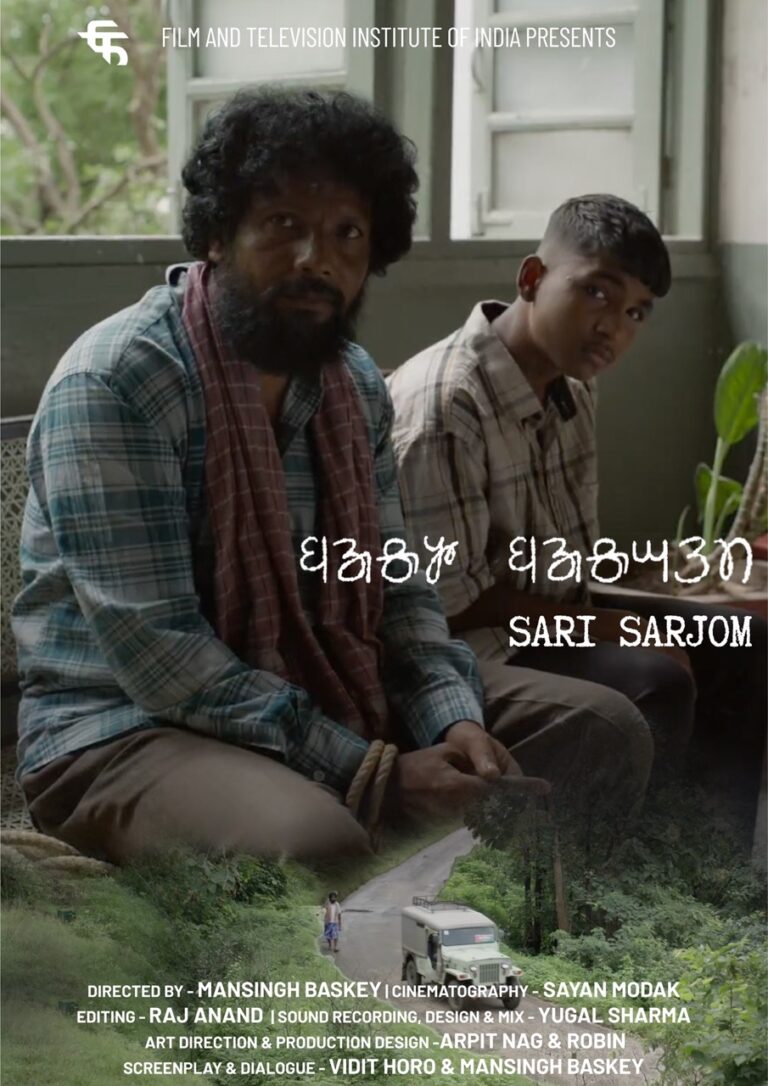
Der Film beleuchtet den Konflikt zwischen dem Leben der Stammesvölker und dem formellen Rechtssystem. Tibru Munda, ein mittelloser Dorfbewohner aus dem Stammesgebiet, wird verhaftet, weil er Holz von einem umgestürzten Baum mit sich führt und wird nach den Waldgesetzen angeklagt. Vor Gericht wird seine ehrliche Erklärung aufgrund starrer rechtlicher Verfahren und tief verwurzelter Vorurteile ignoriert. Seine Weigerung, auf die Gita, eine der wichtigsten heiligen Schriften Indiens, zu schwören, und seine Entscheidung, stattdessen den heiligen Salbaum zu wählen, offenbaren die kulturelle Kluft zwischen den Glaubensvorstellungen der Stammesvölker und den staatlichen Institutionen. Anhand von Tibrus Kampf hinterfragt der Film die Idee von Gerechtigkeit, das Eigentumsrecht an Wäldern und das Überleben der indigenen Identität.
The film explores the conflict between the lives of tribal communities and the formal legal system. Tibru Munda, a destitute villager from a tribal area, is arrested for carrying wood from a fallen tree and is charged under forest laws. In court, his honest account is ignored due to rigid legal procedures and deep-rooted prejudices. His refusal to swear on the Gita, one of India’s most important sacred texts, and his decision to choose the sacred sal tree instead, reveal the cultural divide between the beliefs of tribal peoples and state institutions. Through Tibru’s struggle, the film questions the idea of justice, the right to own forests, and the survival of indigenous identity.